They check each new block, sign it if it is right and earn a reward. If they cheat or stay offline, they lose some of their stake. Simple rules, real weight.
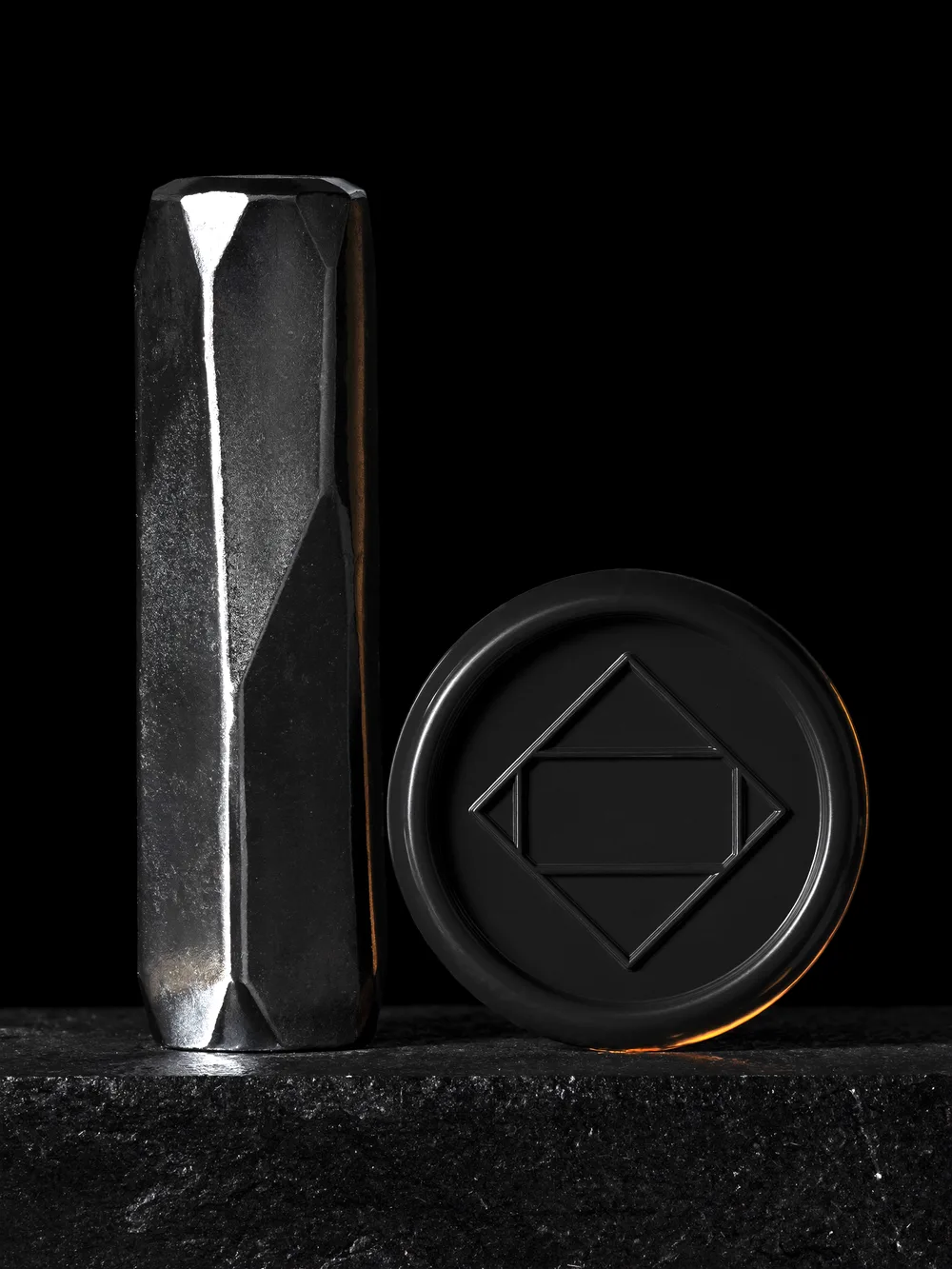
A validator checks a block, then puts its seal on it. Once enough validators agree, that page of history is closed for good. Try it.
Ethereum block
–
Reading the newest block
- The previous block matches
- Every transaction adds up
- Nothing was spent twice
This is a demonstration. Nothing is sent to the network.
Signing two versions of the same block is called double signing. It is usually an accident: two machines, one key. Here is how a signing lock stops it.
Both machines hold the same key. Press one of them to sign this block.
Keys stay off the machine
The machine that talks to the internet asks a separate signer. The key itself never leaves the signer.
A lock on every key
Each signature is written down first. A second request for the same slot is refused.
Safety before speed
When in doubt, wait. Missing one block costs pennies. Double signing costs a lot more.
Your stake stays with you
Delegating does not hand over your tokens. You can move them away under each network's own rules.
The largest validators on Solana and Cosmos right now, read straight from the chain.
Reading the validator set
- 1
Look at the fee
The fee is the slice of rewards the validator keeps. Very low can be a teaser rate, so check whether it has changed before. - 2
Check that it shows up
A validator that is often offline earns less for everyone behind it. - 3
Avoid the giants
Spreading stake to smaller validators makes the whole network harder to attack. - 4
Know the exit
Most networks make you wait before you can withdraw. Read the risk notice first.